




Andrew Baker
Community Ops | Ecosystem Growth

Case Studies
Below are selected examples of systems, workflows, and campaigns I designed to solve operational problems, improve efficiency, and drive measurable community engagement and growth.
Ambassador Program Restructure
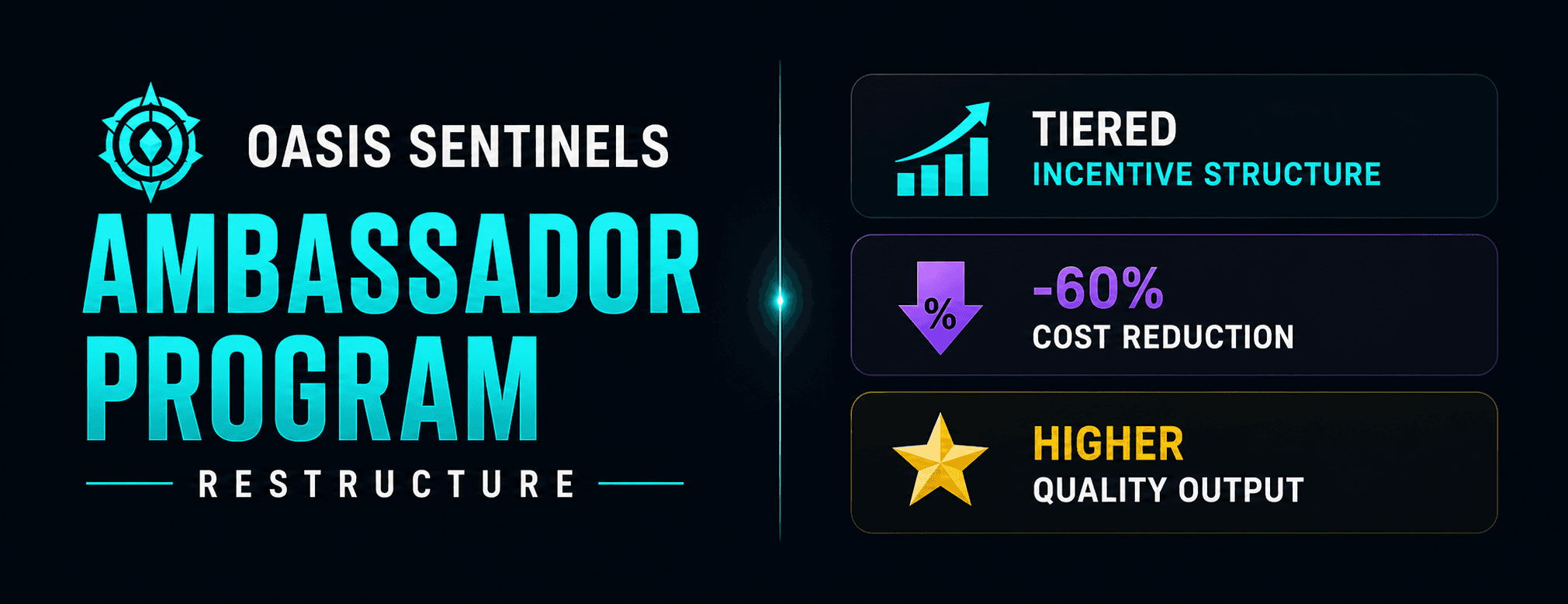
When I took over the ambassador program, it had over 300 members. Many were producing poor-quality content that was hurting brand perception, while also gaming the incentives by using bots to inflate their KPIs, among other unethical tactics. The program was costing a fortune while producing very little actual value.
To solve this, I rebuilt the program from the ground up with clear goals and desired outcomes in mind from the start.
I cut membership from 300 to 50. Acceptance criteria became significantly stricter and focused almost entirely on content quality, and I designed a tiered incentive structure that rewarded ambassadors proportionally based on the quality, thoughtfulness, and effort of their content. We wrote clear guidelines and aggressively cracked down on gaming of the system.
There are many ways to design an ambassador program depending on the goals of the organization. In this particular case, it was a quality over quantity approach because we wanted high-quality content creators who effectively evangelized the network and posted interesting, thought-provoking content.
Ultimately, the program was a great success, becoming a small, close-knit team of contributors producing interesting and organic content for the organization, some of whom would later join the team in an official capacity.
Ambassador Program Restructure
When I took over the ambassador program, it had over 300 members. Many were producing poor-quality content that was hurting brand perception, while also gaming the incentives by using bots to inflate their KPIs, among other unethical tactics. The program was costing a fortune while producing very little actual value.
To solve this, I rebuilt the program from the ground up with clear goals and desired outcomes in mind from the start.
I cut membership from 300 to 50. Acceptance criteria became significantly stricter and focused almost entirely on content quality, and I designed a tiered incentive structure that rewarded ambassadors proportionally based on the quality, thoughtfulness, and effort of their content. We wrote clear guidelines and aggressively cracked down on gaming of the system.
There are many ways to design an ambassador program depending on the goals of the organization. In this particular case, it was a quality over quantity approach because we wanted high-quality content creators who effectively evangelized the network and posted interesting, thought-provoking content.
Ultimately, the program was a great success, becoming a small, close-knit team of contributors producing interesting and organic content for the organization, some of whom would later join the team in an official capacity.
Community-Sourced Content Pipeline
One of the challenges social media teams face is consistently finding high-quality, relevant content for an organization’s official X account to engage with.
When the marketing team came to me with this problem, I immediately began thinking of ways to utilize the community as a resource. Since many of our ambassadors were already active on X all day, I wanted to outsource discovery to them in a way that was fair and beneficial to both parties.
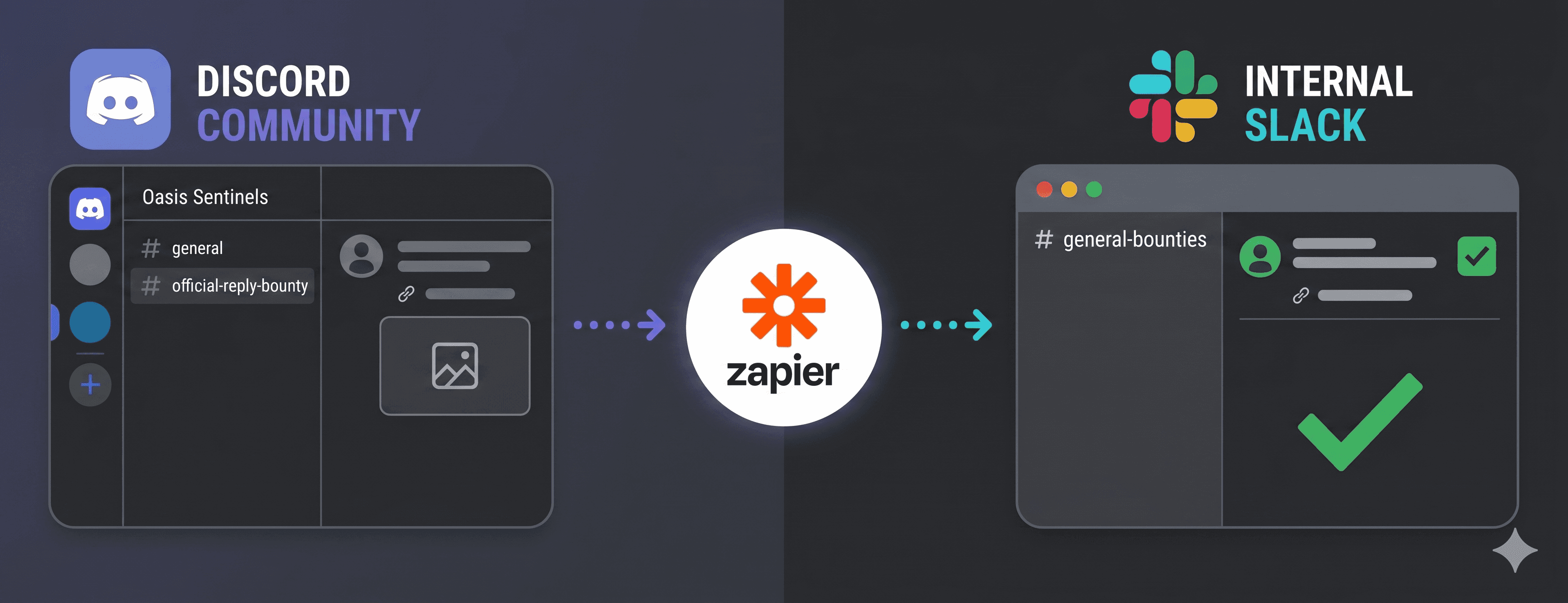
To achieve this, I created an “Official Reply Bounty” within the ambassador program:
Ambassadors submitted posts they believed were worth engaging with into a dedicated Discord channel
These messages were automatically sent via Zapier to an internal Slack review channel
The social media lead marked approved submissions with an emoji, triggering rewards for the contributor
This established a closed-loop system that sourced high-quality engagement opportunities from the community while rewarding only the submissions that were actually used.
Community-Sourced Content Pipeline
One of the challenges social media teams face is consistently finding high-quality, relevant content for an organization’s official X account to engage with.
When the marketing team came to me with this problem, I immediately began thinking of ways to utilize the community as a resource. Since many of our ambassadors were already active on X all day, I wanted to outsource discovery to them in a way that was fair and beneficial to both parties.
To achieve this, I created an “Official Reply Bounty” within the ambassador program:
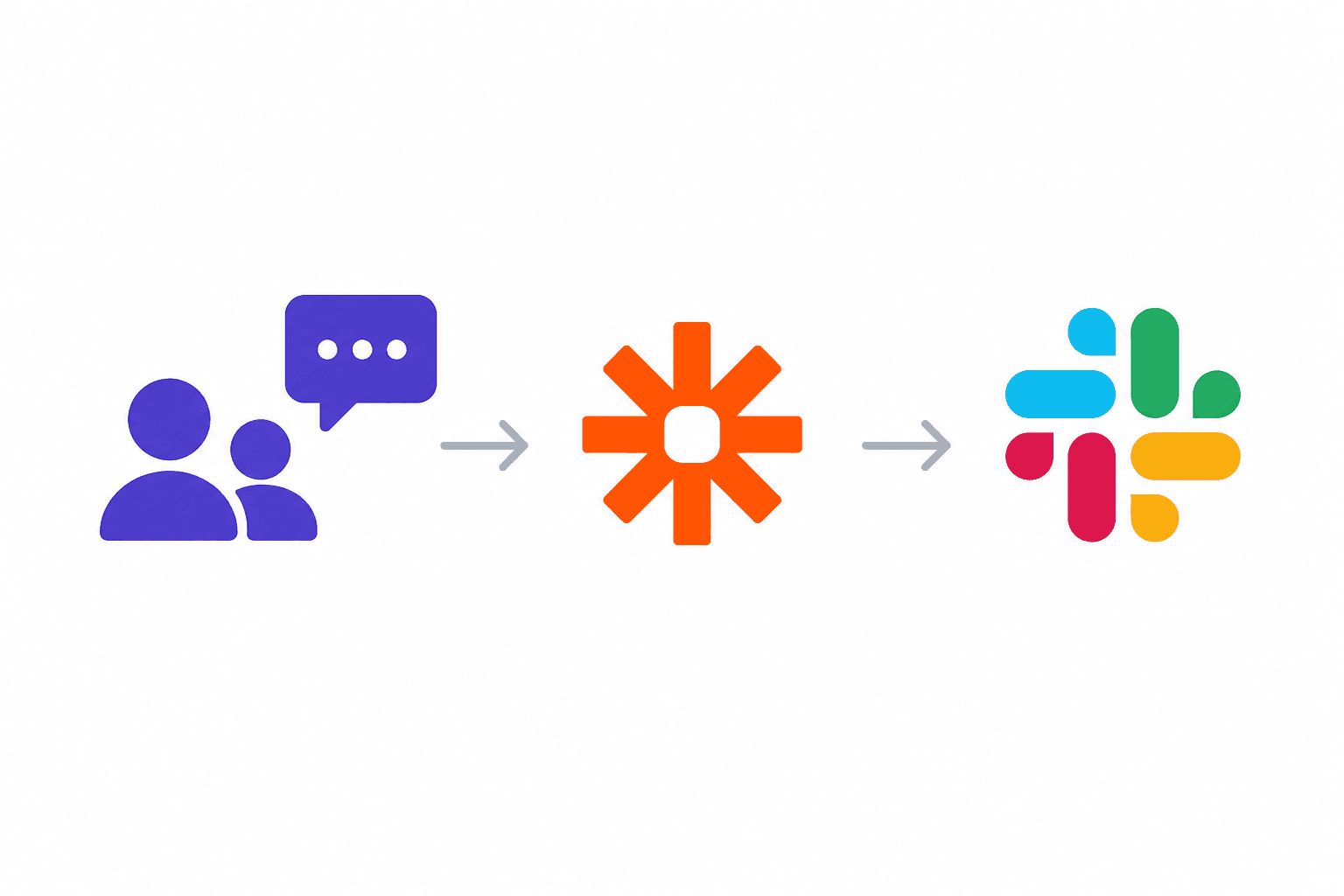
Ambassadors submitted posts they believed were worth engaging with into a dedicated Discord channel
These messages were automatically sent via Zapier to an internal Slack review channel
The social media lead marked approved submissions with an emoji, triggering rewards for the contributor
This established a closed-loop system that sourced high-quality engagement opportunities from the community while rewarding only the submissions that were actually used.
Structured Engagement Campaigns
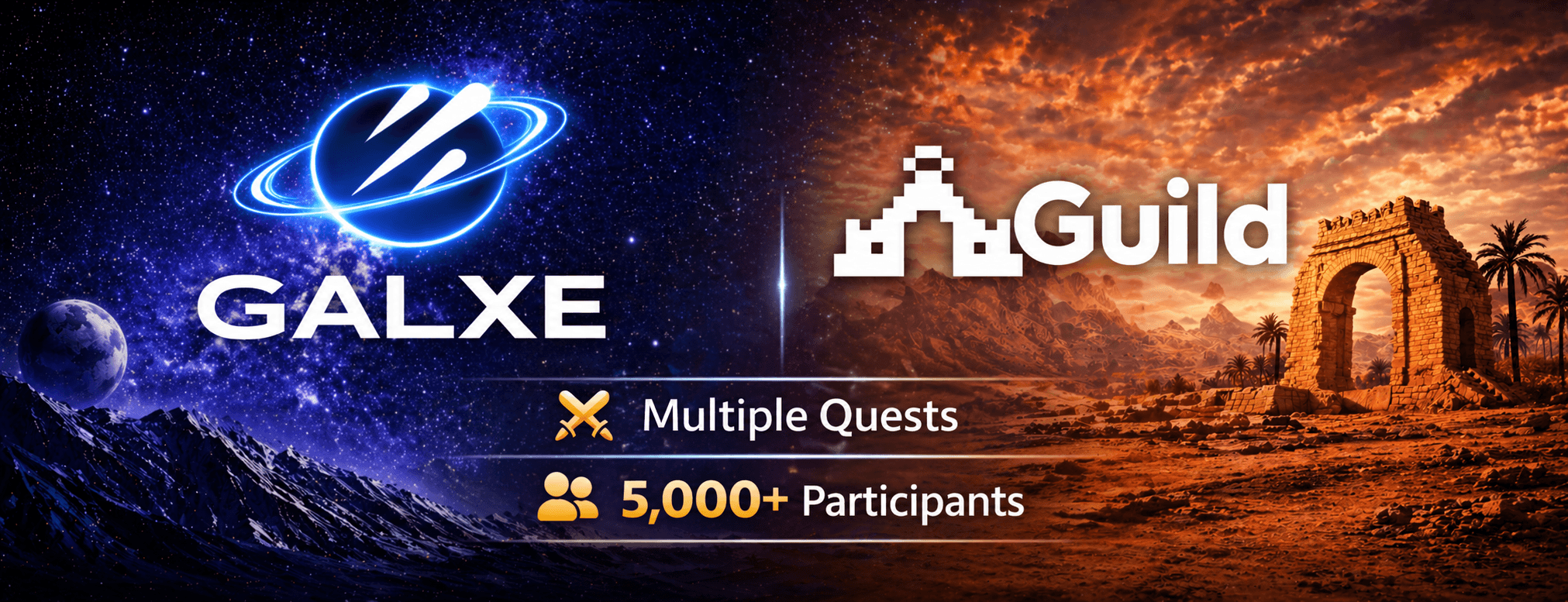
I've designed and executed structured engagement campaigns across platforms such as Zealy, Galxe, and Guild that achieved over 5k participation.
Rather than treating campaigns as simple social engagement funnels, many were intentionally designed as progressive onboarding systems that guided users from passive participation into hands-on ecosystem interaction.
Some campaigns focused on basic onboarding tasks such as joining social channels, engaging with content, and consuming educational material. Others were more technically focused, requiring users to interact with applications on-chain, perform swaps, deposit assets into protocols, or hold ecosystem assets in their wallets, all verified through APIs and contract queries.
By progressively increasing the complexity of participation, these campaigns improved product familiarity, ecosystem engagement, retention, and both on-chain and off-chain metrics.
Structured Engagement Campaigns
I've designed and executed structured engagement campaigns across platforms such as Zealy, Galxe, and Guild that achieved over 5k participation.
Rather than treating campaigns as simple social engagement funnels, many were intentionally designed as progressive onboarding systems that guided users from passive participation into hands-on ecosystem interaction.
Some campaigns focused on basic onboarding tasks such as joining social channels, engaging with content, and consuming educational material. Others were more technically focused, requiring users to interact with applications on-chain, perform swaps, deposit assets into protocols, or hold ecosystem assets in their wallets, all verified through APIs and contract queries.
By progressively increasing the complexity of participation, these campaigns improved product familiarity, ecosystem engagement, retention, and both on-chain and off-chain metrics.
Example Workflows and Charts
Example Community Health & Support Dashboards
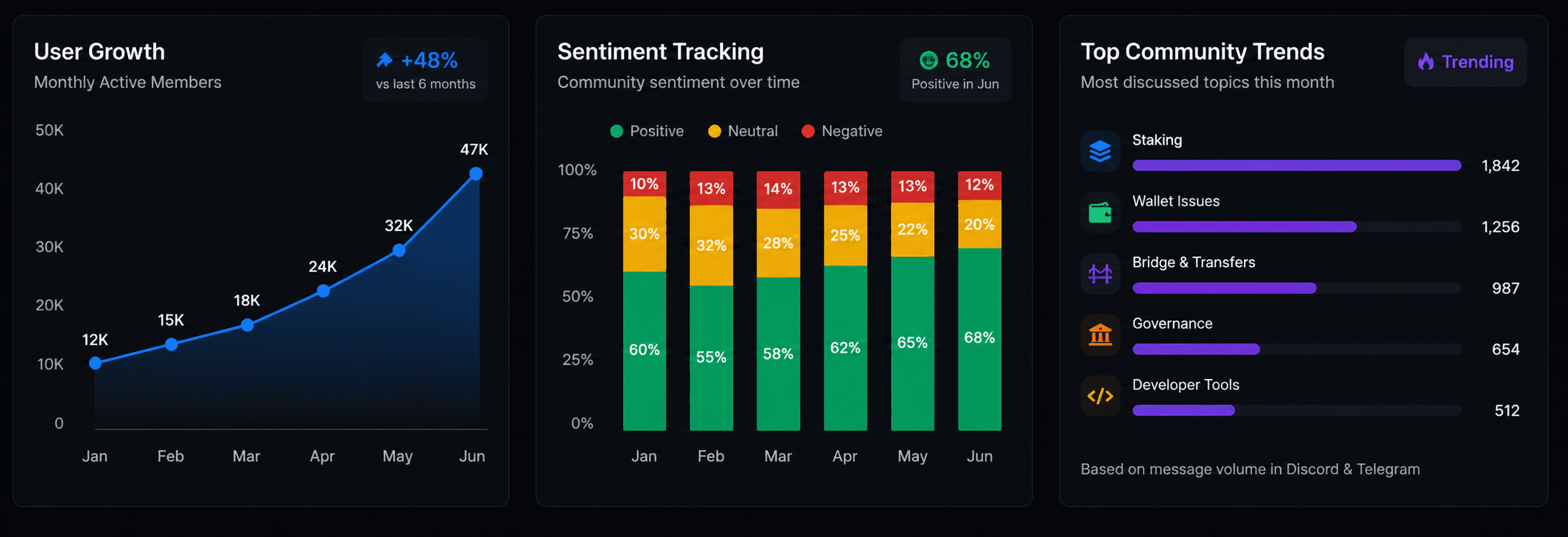
Example Community Health & Support Dashboards
©2026 Andrew Baker

©2026 Andrew Baker
©2026 Andrew Baker